
Safety gear and the first week on the floor
Use this to arrive on a first warehouse shift dressed and ready, and to know what the opening days are likely to ask of you. The employer's orientation covers the details for its own building.
Gear the posting may list
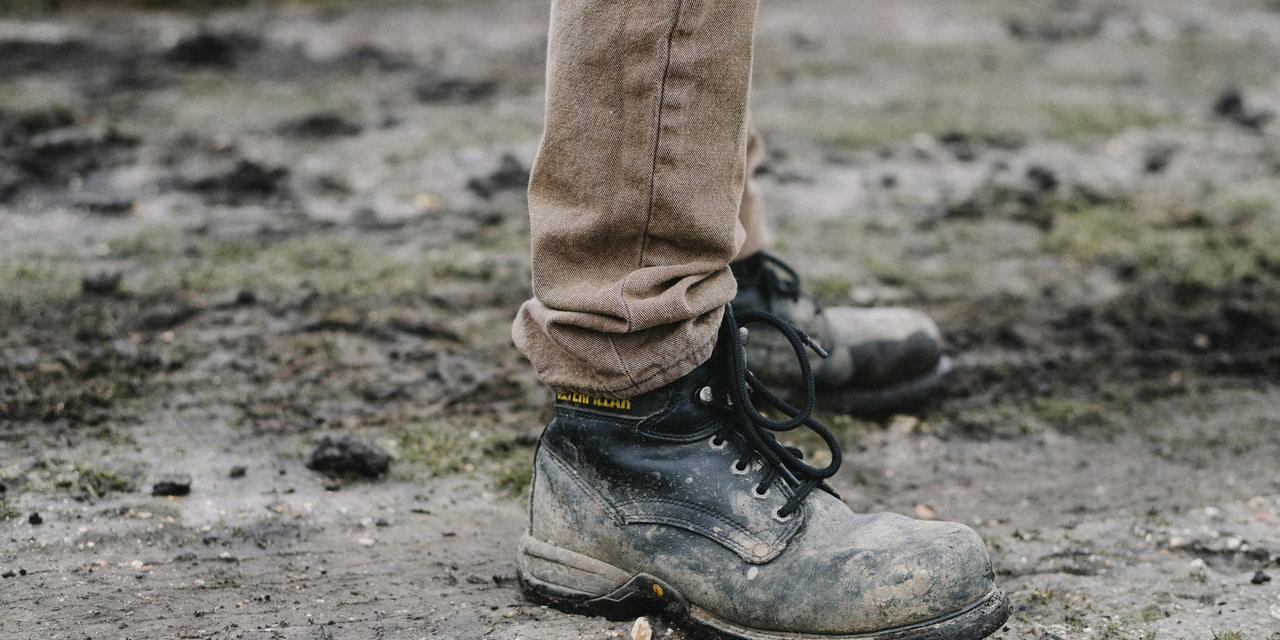
Safety-toe boots, in steel or composite, are the most common requirement, and many postings also mention high-visibility vests, gloves, safety glasses and hearing protection for loud areas. Cold storage and freezer work calls for warm layers, and some sites hand out cut-resistant gloves for opening cartons.
OSHA generally requires employers to pay for the protective equipment a job requires. Ordinary safety-toe boots and prescription safety glasses that you can wear off the job are among the exceptions, though some employers offer a boot voucher or reimbursement anyway. Ask before your first day which items the site supplies.
Ask before your first day which items the site supplies.
Lifting and physical demands
Postings often list a lifting requirement in pounds, such as lifting up to 50 pounds, along with standing or walking for an entire shift. Learn the site's lifting method, keep loads close to your body, and ask for a team lift or a lift assist for anything the site marks as heavy.
If you have a condition that affects lifting or standing, you can ask the employer for a reasonable accommodation under the Americans with Disabilities Act. The HR office handles that request.
What the first week usually looks like
The first day is often orientation, with safety videos, a building tour that shows the walkways marked for people on foot, and time learning the handheld scanner. Many sites then pair you with a trainer for several shifts before you work alone.
Pace targets usually start lower and rise over the first weeks, and your feet and back will feel the change. Drink water and take your scheduled breaks, especially in summer heat or in freezer areas.
Report any injury, however small, to your supervisor the same day. Federal law protects your right to report a work injury without being punished for it, and OSHA takes complaints from workers who face retaliation.
What to do this week
- Buy or borrow safety-toe boots before the first shift
- Ask which gear the site provides
- Learn where the pedestrian walkways run
- Report any injury to your supervisor the same day
Who to ask
The safety lead or the shift supervisor at the building
Remember: Arrive in the required boots, ask what gear the site supplies, and expect a few shifts of training before you work at full pace.