
Tools and transportation for trade work
Use this to prepare the tools, gear and transportation a trade job may expect from you. Asking a few clear questions before your start date keeps your first week on the crew from going sideways.
The hand tools you may be asked to bring
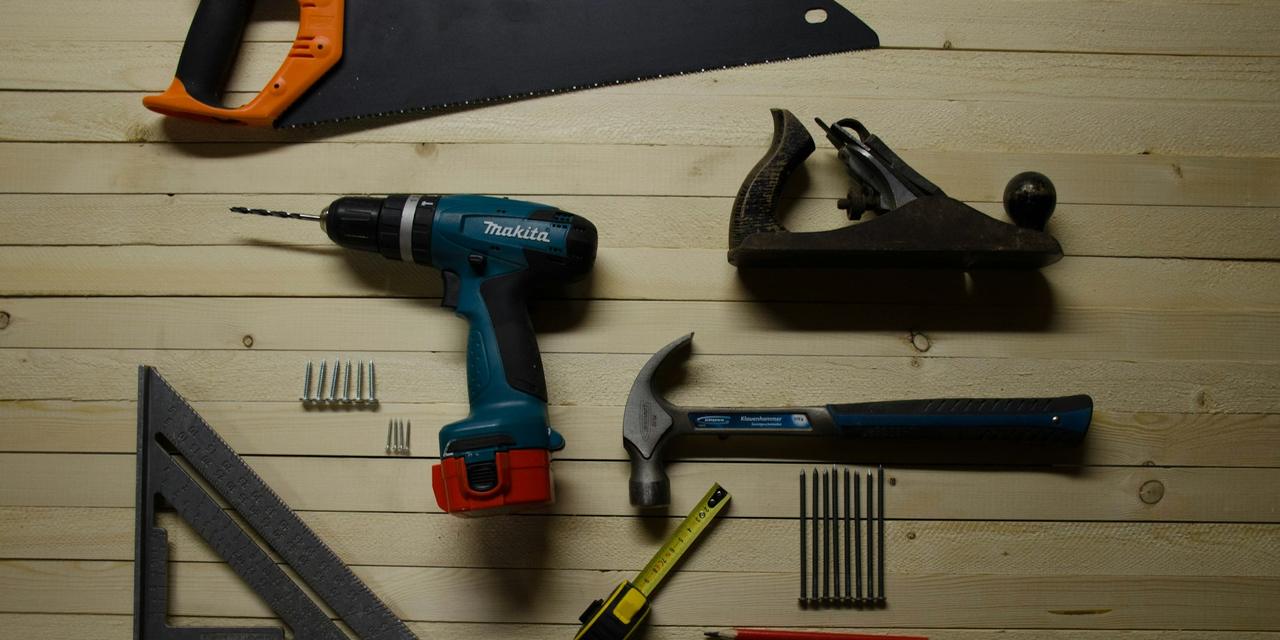
Many contractors expect apprentices and helpers to show up with basic hand tools of their own, while the company supplies power tools, ladders and larger equipment. A typical list includes a tape measure, a utility knife, screwdrivers, pliers, a level and a tool belt or bag, with extras that depend on the trade.
Ask the hiring contact for the company's written tool list rather than buying a full kit at once. Mark each tool with your initials or a stripe of paint, since crews share space and tools look alike.
Ask the hiring contact for the company's written tool list rather than buying a full kit at once.
Protective equipment and who pays for it
OSHA generally requires employers to pay for the protective equipment a job requires, such as hard hats, safety glasses, hearing protection and fall protection. There are exceptions, including everyday safety-toe boots and prescription safety glasses that workers may wear off the site.
Postings often list safety-toe boots as a requirement for the first day. Ask what standard the boots must meet and whether the company offers a boot allowance. Gloves and work clothes suited to the weather are usually your own to supply.
Getting to a jobsite that keeps moving
Trade work rarely stays in one place. A crew may finish one project and start another across the county the next week, often before sunrise, so many employers ask for a valid driver's license and reliable transportation.
Some companies provide a service van or truck to technicians once they are trained, and some pay for travel between sites during the day. Ask how travel time is handled, whether the company pays mileage, and where the crew meets each morning.
Parking near a downtown project can be scarce and slow. Some crews meet at the shop and ride out together in a company vehicle, which can save you the trouble of finding a space.
What to do this week
- Ask for the employer's written tool list
- Check which protective equipment the company supplies
- Plan your route to the shop and the current jobsite
- Ask how travel between sites is paid
Who to ask
The contractor's hiring contact or crew foreman
Remember: Know which tools and gear are yours to bring and how you will reach a jobsite that changes from week to week.