
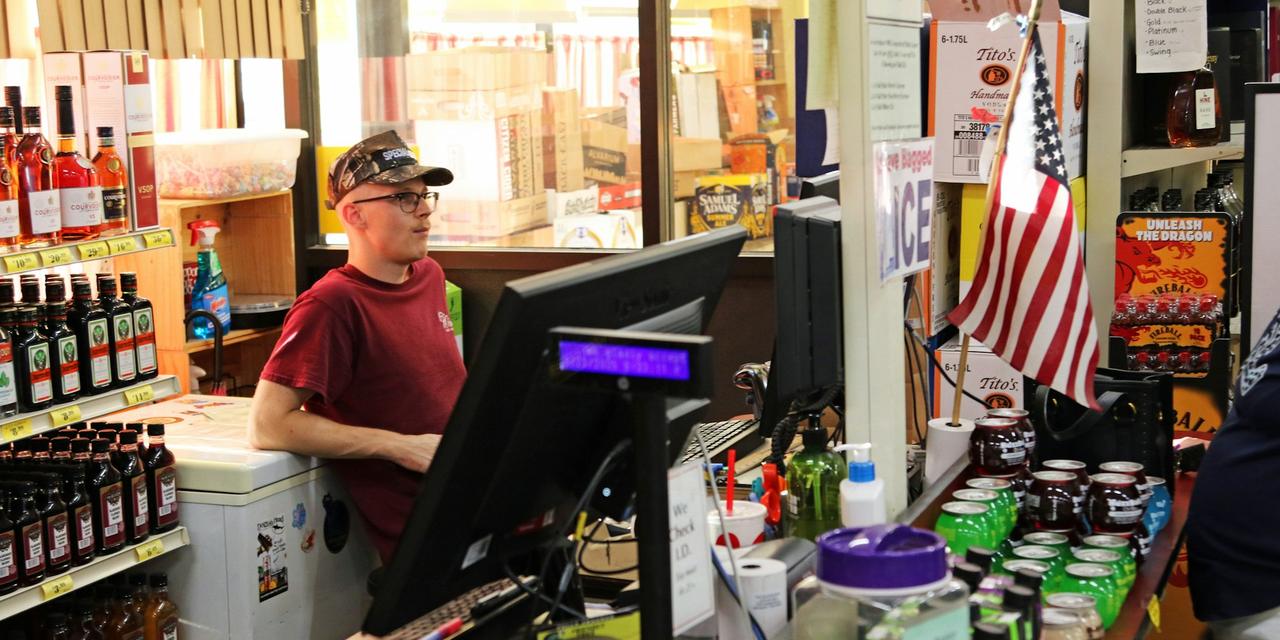
Store jobs from cashier to key holder
Use this to read a store posting and picture the shift behind each title. Stores use the same few titles in slightly different ways, so the duties listed in the posting tell you more than the name alone.
The titles on a store floor
A cashier works a register, takes payment, handles returns at some stores and answers questions at the checkout line. A sales associate does some of that plus work on the floor: helping shoppers find sizes, refilling displays and keeping aisles tidy. Many stores train every associate on the register, so the two titles often overlap on a busy day.
A stocker or merchandiser unloads deliveries, fills shelves and sets up price changes and new displays. This work often happens early in the morning or overnight, when the store is closed or quiet. Postings for stocking roles usually list a lifting requirement in pounds and time spent on ladders or in a stockroom.
Stores tend to fill key holder spots from inside, choosing associates who have shown up reliably for several months.
What a key holder is trusted with
A key holder carries keys to the building and can open or close the store without a manager present. Opening usually means disarming the alarm, counting the cash drawers and getting registers ready, while closing means counting down, making the bank deposit and locking up. Some stores also let a key holder approve returns or overrides at the register.
Stores tend to fill key holder spots from inside, choosing associates who have shown up reliably for several months. A posting may ask for retail experience, comfort with cash handling and availability for early and late shifts. The step above is often an assistant manager role, which adds scheduling and hiring tasks.
What a store asks for before the first shift
Most store roles need no license or certificate, so the questions center on age, availability and trust. Federal child labor rules limit the hours of workers under 16, and some states require a work permit for minors. Workers under 18 may also be kept off certain equipment, such as a cardboard baler or a meat slicer.
Some stores run a background check before an offer becomes final, especially for roles that handle cash or keys. Many also ask new hires to complete online training on register procedures, safety and loss prevention during their first paid shifts.
What to do this week
- Read the duties list in a store posting before the title
- Ask the store manager whether new hires are trained on the register
- Check your state's rules for workers under 18 if they apply to you
- Ask how associates are chosen for key holder spots
Who to ask
The store manager or the hiring contact named in the posting
Remember: In a store, the duties and the hours listed in a posting describe the job more clearly than the title does.