
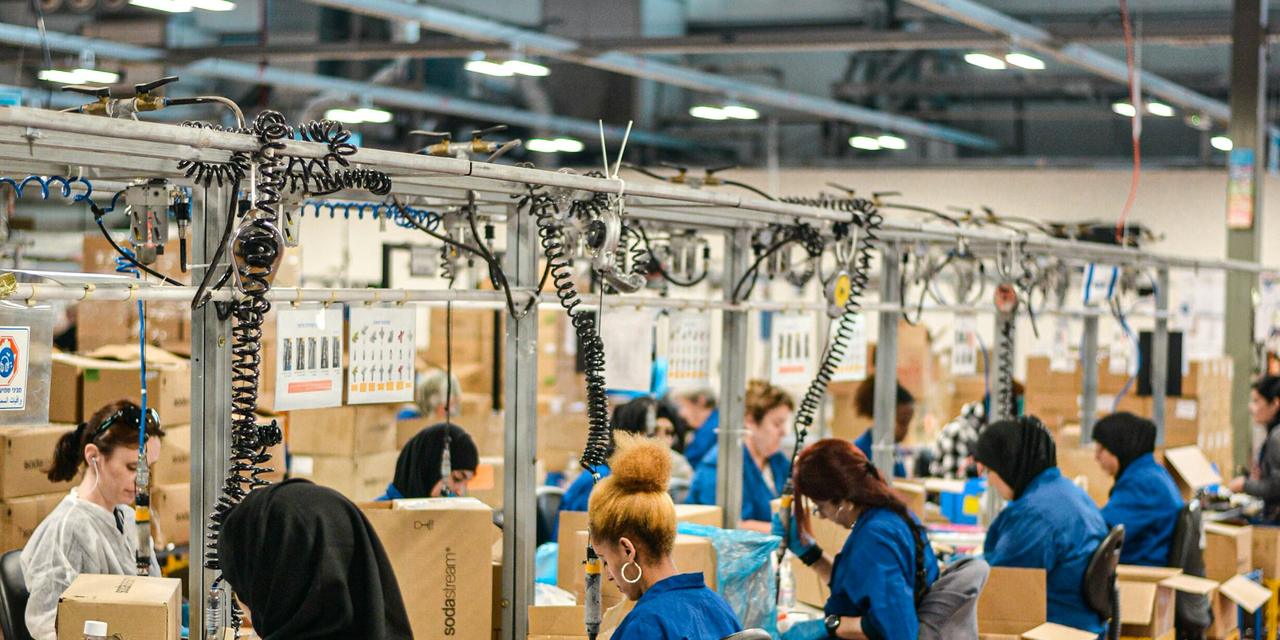
Production and assembly jobs
Read this to understand the entry-level titles in a manufacturing posting and the steps a plant often asks you to complete before a first shift. Plants range from food processing to auto parts to electronics, and the hiring contact can tell you what a given line makes and how it runs.
Titles on the plant floor
A production worker or production associate runs part of a process, such as loading a machine, packing finished goods or checking items as they come off a line. An assembler puts components together by hand or with power tools, following written work instructions and sometimes a diagram posted at the station. A material handler moves raw materials and finished goods, often with a pallet jack or forklift.
A line lead or team lead is usually an experienced worker who keeps a line staffed and running during a shift and trains newer people. Titles vary between plants, so read the duties under the title rather than the title alone.
Titles vary between plants, so read the duties under the title rather than the title alone.
What a plant asks before day one
Plant postings commonly list standing for a full shift, repeating the same motion for long periods and lifting a stated number of pounds. Many require safety-toe shoes and say the plant supplies safety glasses, gloves and hearing protection. Some ask for a high school diploma or equivalent, and some give a short test of reading, basic math or mechanical reasoning.
A drug screen and a background check are common before a start date. Many plants fill entry-level openings through a staffing agency, which employs you until the plant decides whether to hire you directly. Ask the agency how long that period usually lasts and what the plant looks at when it decides.
The first weeks on a line
Training often starts with safety rules for the whole plant, including how machines are locked out before anyone clears a jam or does maintenance. OSHA requires employers to train workers on these lockout steps for the equipment they service or work near. After that, a trainer or lead shows you one station until you can keep up with the line's pace and its quality checks.
Many plants cross-train workers on several stations over the first months, which helps when someone is out and makes a shift more varied. Ask how the plant measures progress during training and who decides when you are ready to work a station alone.
For a broader start, community colleges and American Job Centers often run short manufacturing courses. Some plants also sponsor Registered Apprenticeships, which are listed on apprenticeship.gov.
What to do this week
- Ask the hiring contact what the line makes
- Ask whether the opening is direct hire or through an agency
- Find safety-toe shoes that suit the posting
- Ask how training on a station is signed off
Who to ask
The plant's hiring contact or the staffing agency recruiter for the opening
Remember: The duties listed under a plant job title, and the steps before a start date, tell you more than the title does.