
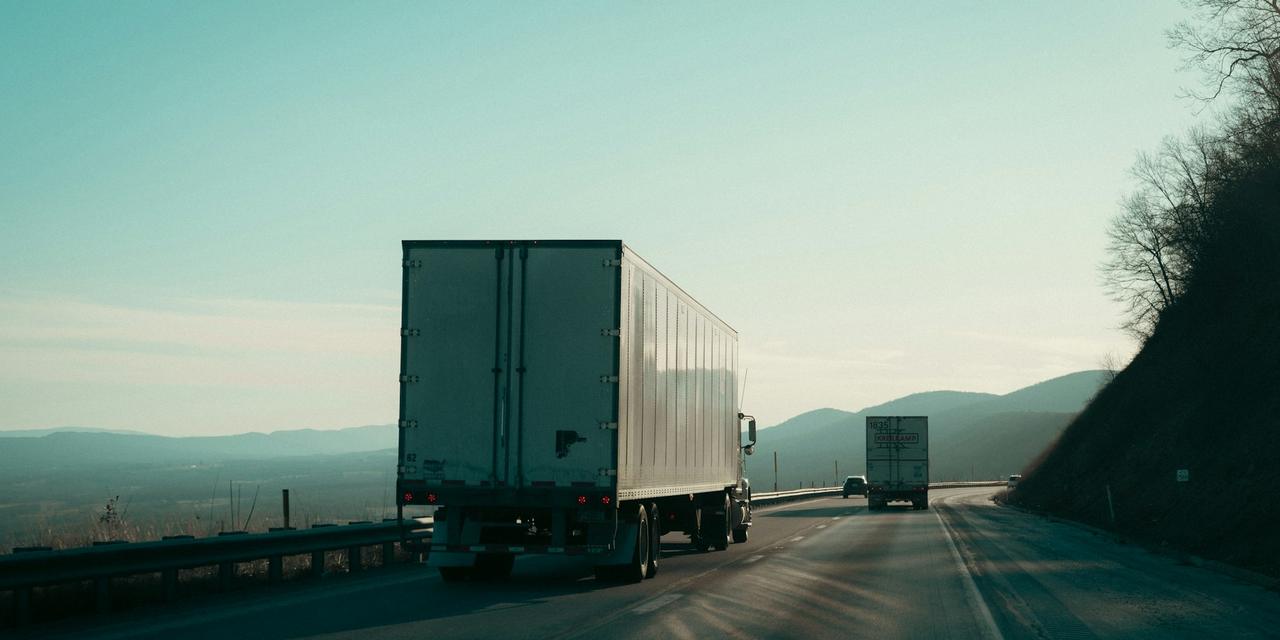
Local, regional and long-haul routes
Use this to compare the three main kinds of commercial driving routes before you apply. The route type decides how often you sleep at home, how much of your day is spent loading, and how your pay is figured.
Local routes
Local drivers usually start and end each shift at the same terminal and sleep at home every night. The work covers delivery routes, freight pickups, construction hauling, food service supply and moves between warehouses in one metro area.
Local jobs often involve more hands-on labor, since drivers may unload freight with a hand truck or a liftgate several times a day. Many local positions are paid hourly, and postings for package and food delivery rise in the weeks before the winter holidays.
Local drivers usually start and end each shift at the same terminal and sleep at home every night.
Regional and over-the-road routes
Regional drivers cover a set group of states and are commonly home on weekends or a few nights each week. Over-the-road drivers, also called long-haul drivers, may cross the country and spend two weeks or more on the road between home stretches.
Pay on these routes is often figured by the mile or by the load, and some carriers pay for time spent waiting at docks. Ask the recruiter how home time is scheduled, how often it gets moved, and whether the truck stays assigned to you.
Some carriers also run dedicated routes, where a driver hauls for one customer on a repeating schedule, and team runs, where two drivers share one truck and take turns at the wheel. Both can give you more predictable weeks than open freight.
Hours of service on every route
Federal hours-of-service rules limit how long a commercial driver hauling freight may drive. After 10 consecutive hours off duty, a driver may drive up to 11 hours within a 14-hour window, must take a 30-minute break after 8 hours of driving, and is capped at 60 or 70 hours over 7 or 8 days.
Most trucks record these hours on an electronic logging device, and some short-haul drivers are exempt from certain parts of the rules. Your carrier's safety department can explain which rules apply to your route.
What to do this week
- Decide how many nights a week you can spend away
- Ask each recruiter how home time is scheduled
- Ask whether pay is hourly, by the mile or by the load
- Read the FMCSA summary of hours-of-service rules
Who to ask
The carrier's driver recruiter or safety department
Remember: Pick the route type that fits your home life first, then compare the jobs that offer it.