
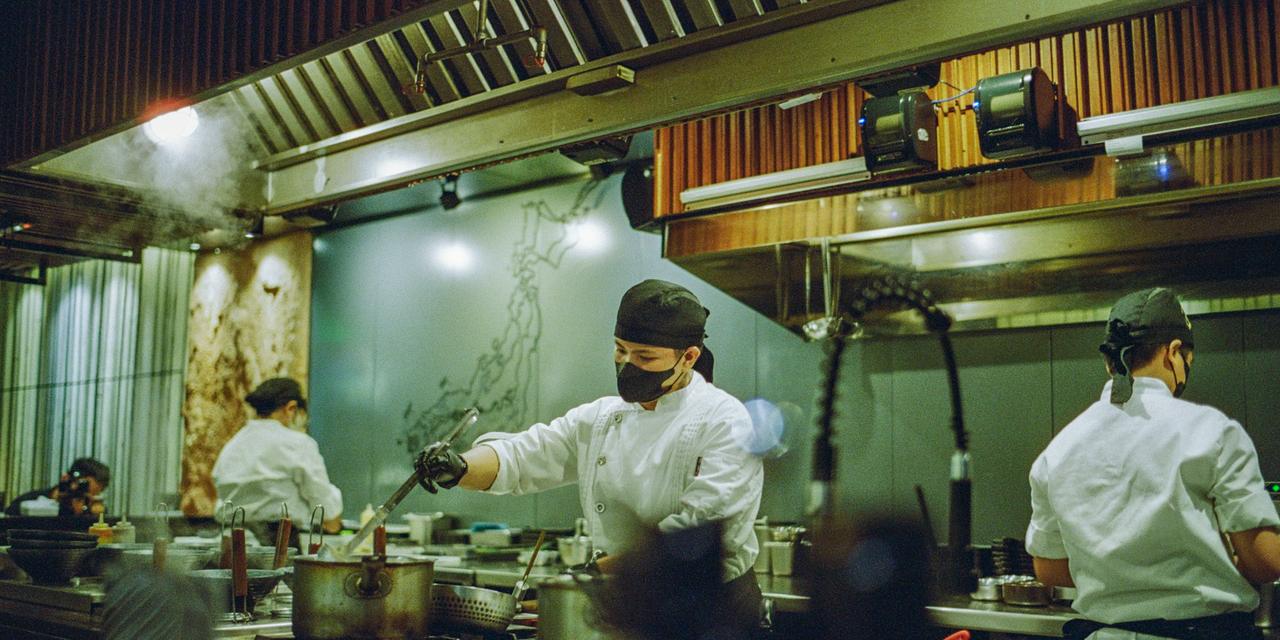
Kitchen jobs and what each station does
Read this before you answer a kitchen posting, so the job title tells you where you would stand and what you would cook. Titles shift from one restaurant to the next, and the kitchen manager can tell you how a given kitchen divides the work.
The jobs that keep a kitchen running
A dishwasher runs the dish machine, scrubs pots and keeps clean plates and pans moving back to the cooks. In many kitchens the dish station also takes out trash, breaks down boxes and mops at close. It is a common first kitchen job, and some cooks start there and move to prep when a spot opens.
A prep cook arrives before service to wash, cut, portion and cook the items on the day's prep list. The list comes from the chef or the kitchen manager, and each item has a recipe or a written standard for size and amount. Prep work rewards steady knife skills and careful labeling of every container with the date.
A posting that names a station usually wants someone who has already worked one like it.
Stations on the line
Line cooks work the stations that cook food to order during service. A small kitchen may have one cook running the grill, the fryer and the flat griddle together, while a larger one splits them into separate stations such as grill, saute, fry and a cold station for salads and desserts. A posting that names a station usually wants someone who has already worked one like it.
The expediter stands at the pass, reads incoming tickets, calls orders to the cooks and checks each plate before a server carries it out. In some restaurants a sous chef or the kitchen manager does this job during the busiest hours. Above the line, the sous chef runs shifts, and the head chef or kitchen manager writes the menu, orders food and does the hiring.
What a kitchen posting asks for
Kitchen postings often list standing for a full shift, working near heat, lifting cases and stock pots of a stated weight in pounds, and working nights, weekends and holidays. Many ask for a food handler card where the county requires one. Some add a set number of months on a line, which tells you the kitchen expects a new cook to keep up on a busy night without much coaching.
Many kitchens ask a line cook candidate to work a short trial shift, sometimes called a stage, before the chef decides. Ask before the day how long it lasts, what to wear and whether the time is paid. Bring nonslip shoes, and ask whether you should bring your own knives.
The first weeks in a new kitchen
A new cook usually shadows someone on the station before working it alone. You learn where everything is stored, how the walk-in cooler is organized and how the kitchen rotates older product forward so it is used first. Closing duties, such as wrapping, labeling and cleaning the station, count as part of the job.
Hiring in restaurants moves with the local calendar. Places near beaches, parks and ski areas staff up before their busy season, and banquet and catering kitchens often add help ahead of the winter holidays.
What to do this week
- Ask the kitchen manager which station the opening covers
- Ask whether a trial shift is paid and how long it runs
- Check whether your county requires a food handler card
- Find a pair of nonslip work shoes
Who to ask
The kitchen manager or chef who does the hiring
Remember: A kitchen job title tells you where you stand during service, and the kitchen manager can tell you how that kitchen splits the work.